
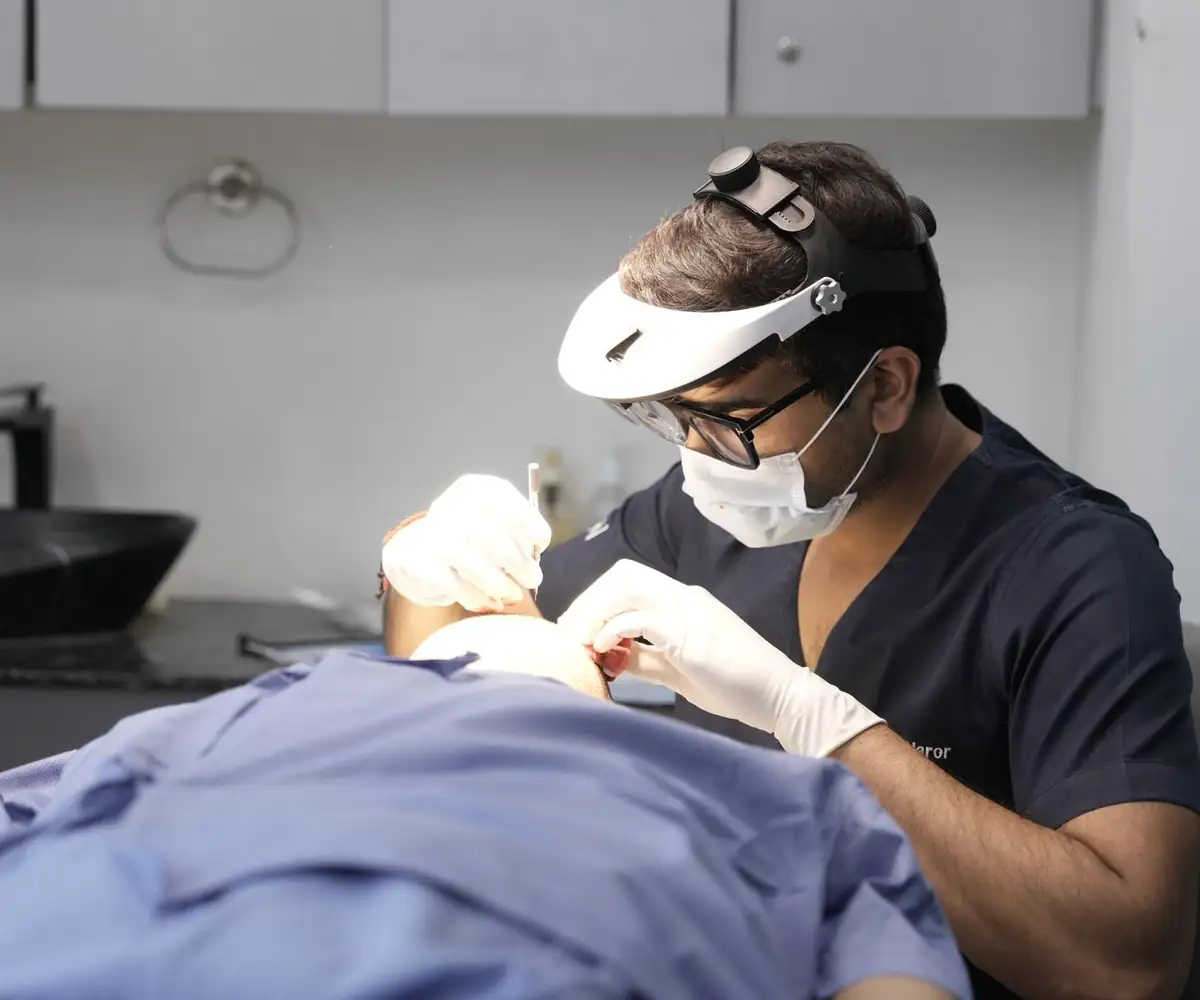
Dermatology billing
Sizes, lesion counts and pathology checked before every dermatology claim goes out.
We bill dermatology from the note and the pathology report: biopsies by technique, excisions by site and excised diameter, destruction by lesion count, Mohs by stage and block, and cosmetic work billed to the patient, not the plan.
- Full-service rate
- 3% to 6% of collections
- Biopsy codes
- 11102–11107 by technique
- Excision size
- Lesion plus narrowest margins
- New & smaller practices
- Flexible monthly minimum
What makes dermatology billing different
A dermatology claim turns on details only the note can prove: the biopsy technique, the lesion and its margins before the excision, how many lesions were destroyed, and what pathology found.
For 2026, CMS cut the work value of non-time-based services, which takes in most procedures but not E/M visits, by 2.5 percent, while the conversion factor rose to $33.40 ($33.57 for qualifying APM participants), under the 2026 fee schedule final rule. We check every claim against the note and path report inside our full revenue cycle service at 3% to 6% of monthly collections.
Dermatology codes and the rule behind each
Medicare rules from CMS and its contractors. Other plans can differ, so we bill each to its policy.
- 11102, 11103Tangential biopsy (shave, scoop, saucerize or curette): the first lesion, then each added lesion.
- 11104, 11105Punch biopsy, simple closure included: the first lesion, then each added lesion.
- 11106, 11107Incisional biopsy, such as a wedge, simple closure included: first lesion, then each added one.
- 11400 to 11446Benign excision by site and excised diameter, in bands from 0.5 cm or less to over 4.0 cm. Malignant excisions are 11600 to 11646.
- 17000, 17003, 17004Destruction of premalignant lesions such as actinic keratoses: the first, each of the 2nd to 14th, or 15 or more on one code.
- 17110, 17111Destruction of benign lesions other than skin tags and vascular lesions, such as warts: up to 14, or 15 or more.
- 17311 to 17314Mohs, first stage and each added stage of up to 5 blocks: 17311 and 17312 for head, neck, hands, feet, genitalia or deep structures, 17313 and 17314 for trunk, arms and legs.
- 88300 to 88309Surgical pathology, one per specimen. Lesions sent together are one code; lesions sent separately with their sites, one each.
Biopsies, excisions and repairs
When several biopsies are taken at one visit, only one primary biopsy code is billed: the one with the highest relative value, with the matching add-on code for every other lesion, as the AAFP’s coding guide explains. A biopsy of a lesion you then remove at the same visit is part of the removal, while a biopsy of a different lesion is billed, under the 2026 NCCI policy manual.
Excisions are coded by excised diameter: the greatest clinical diameter of the lesion plus the narrowest margins needed, measured before the excision, according to CGS’s billing article. A 1.2 cm lesion on the back with 0.2 cm margins on each side is 1.6 cm, so 11402 if benign. Benign and malignant codes differ, so the claim waits for the pathology report.
Simple repair is part of the excision. Intermediate and complex repairs are billed on top, except with benign excisions of 0.5 cm or less (11400, 11420, 11440), which include every repair.
Modifier 25, 59 and XS on the same day
A procedure with a 0- or 10-day global period is minor surgery, and the decision to do it is paid inside the procedure, so a same-day E/M takes modifier 25 only when it is significant and separate from that decision.
Modifier 59, or the more specific XS, marks a procedure on a separate lesion or anatomic site. CMS’s modifier guide says to use XS instead of 59 whenever it fits, and never just because two codes are different.
Mohs surgery: stages, blocks and same-day biopsies
Mohs codes belong to the surgeon who removes the tissue and reads the slides, and include the biopsy, excision and pathology. If the slides go to a pathologist, it is not Mohs, and the surgeon bills excision and repair codes. Repairs, flaps and grafts are billed on top.
WPS’s Mohs billing article counts tissue blocks, not slides, puts all added stages on one line with the total units, and uses 17315 for each block past five in any stage. A diagnostic biopsy and frozen section on the Mohs day take 59 when the lesion has not been biopsied in the past 60 days, or the referring physician’s pathology report cannot be obtained with reasonable effort.
Cosmetic or medically necessary
Under CGS’s benign skin lesion policy, removing seborrheic keratoses, cysts, skin tags, nevi or warts is covered only when the note documents a reason such as:
- Bleeding, intense itching or pain
- Recent enlargement, a change in color, or more lesions
- Inflammation or infection, such as oozing or redness
- A lesion that obstructs an orifice or restricts eye function
- Real doubt about the diagnosis, especially possible malignancy
Destruction of actinic keratoses is covered without these limits, and "irritated" alone does not support removal. Removal for appearance is cosmetic: the patient pays and should hear that first. If billed to Medicare at all, it carries GY, or GX after a voluntary notice. Our patient billing team sends those patients a clear statement.
Why dermatology claims deny
Common dermatology denials, with the reason codes that often carry them (codes vary by payer):
- An E/M with modifier 25 that covers only the decision to do the procedure (CO-97)
- A benign lesion removal with no documented reason (CO-50)
- A cosmetic removal sent to Medicare as covered care (CO-96 or PR-96)
- A malignant excision code with a benign or pending diagnosis (CO-11)
- An add-on such as 17003 or 17312 without its primary code (CO-107)
Each one goes through our denial management process, and our denial code guides explain what each code means.
How we run dermatology billing
Verify benefits first
Coverage and authorization are checked before the visit, and cosmetic services flagged for the patient.
Code from the note and path report
Biopsy technique, lesion counts, excised diameter and repair type are checked; excisions wait for pathology.
Scrub same-day edits
Modifiers 25, 59 and XS, Mohs stages and blocks, and NCCI pairs are checked before the claim goes out.
Work what comes back
Denials are sorted by payer and reason code, then corrected or appealed in time.
Report monthly
Collections, days in A/R, denials by reason and patient balances, by payer and by provider.
Credentialing for dermatology practices
Each dermatologist, PA and NP billing under their own NPI enrolls with each plan you bill. If your practice reads its own slides or runs a Mohs lab, the lab also needs a CLIA certificate for the testing it does, under 42 CFR 493.3. Our provider credentialing service handles payer enrollment at $189 per payer application, less in bulk.
Not sure your excision sizes and modifiers are right? Send us a month of dermatology claims with the notes and path reports and we’ll check them, free.
Bill one primary biopsy code, then add-on codes for the rest. If every biopsy used the same technique, use that technique’s primary code and its add-on for each other lesion. If the techniques differ, use the primary code with the highest relative value and the add-on codes that match the other techniques.
By the excised diameter: the lesion’s greatest clinical diameter plus the narrowest margin needed on each side, measured before the excision. A 1.0 cm lesion with 0.3 cm margins is 1.6 cm excised. The code also depends on the site and on whether pathology shows the lesion benign or malignant.
When you perform a significant, separately identifiable E/M beyond the usual work of the procedure, billed with modifier 25. The decision to perform a minor procedure is paid inside it, so an exam that only leads to the biopsy is not billed. The E/M does not need a different diagnosis, and being a new patient is not enough by itself.
Only when the record documents a medical reason, such as bleeding, intense itching, pain, recent enlargement, inflammation, a change in appearance or real doubt about the diagnosis. Removal for appearance is cosmetic and not covered, so the patient pays. Tell the patient in advance and get a signed acceptance of the charge. "Irritated" alone is not enough.
The first stage is 17311 (head, neck, hands, feet, genitalia) or 17313 (trunk, arms, legs), each covering up to five tissue blocks. Each added stage is 17312 or 17314, totaled on one line. Each block past five in any stage is 17315. Blocks are counted, not slides, and the same physician must remove the tissue and read the slides.
Our full-service rate is 3% to 6% of monthly collections, set by volume, with no setup or onboarding fees and flexible monthly-minimum plans for new and smaller practices. It covers eligibility checks, prior authorizations, coding, claims, payment posting, denials and A/R follow-up. The exact rate comes in writing after a free A/R review. Our guide to medical billing costs shows how to compare quotes.
Yes. We don’t list our clients on this site, but ask us and we’ll arrange it: with a current client’s permission, we share their contact details so you can hear how we work from them directly.
From our guides

How to calculate days in A/R
The formula with a worked example and a calculator, the benchmarks, why a good average can hide old claims, and the fixes that bring days in A/R down.
How much do medical billing services cost?
The four ways billing companies price their work, the fees that sit outside the rate, and in-house arithmetic built from BLS data, so you can compare quotes on your own numbers.

Send us your last 90 days of dermatology claims.
We’ll review them free and show you where sizes, modifiers or pathology timing are costing you money.